
 CALL US NOW
 EMAIL US NOW
If a hotel or Airbnb host claims you brought bed bugs onto the property, do not admit responsibility when you do not know where the infestation originated. Photograph and video the room, preserve communications, report the infestation in writing, document your bites, seek appropriate medical care, and save records showing where you stayed and when symptoms developed.
An accusation from a property owner does not establish who caused the infestation. Determining responsibility usually requires looking at the physical evidence, prior complaints, inspection and extermination records, the timing of the exposure, and what the property knew before you arrived.
Finding bed bugs during a hotel stay or Airbnb vacation is bad enough. Having the hotel manager or host immediately respond with, “You must have brought them,” can turn an already miserable situation into a dispute over who is responsible.
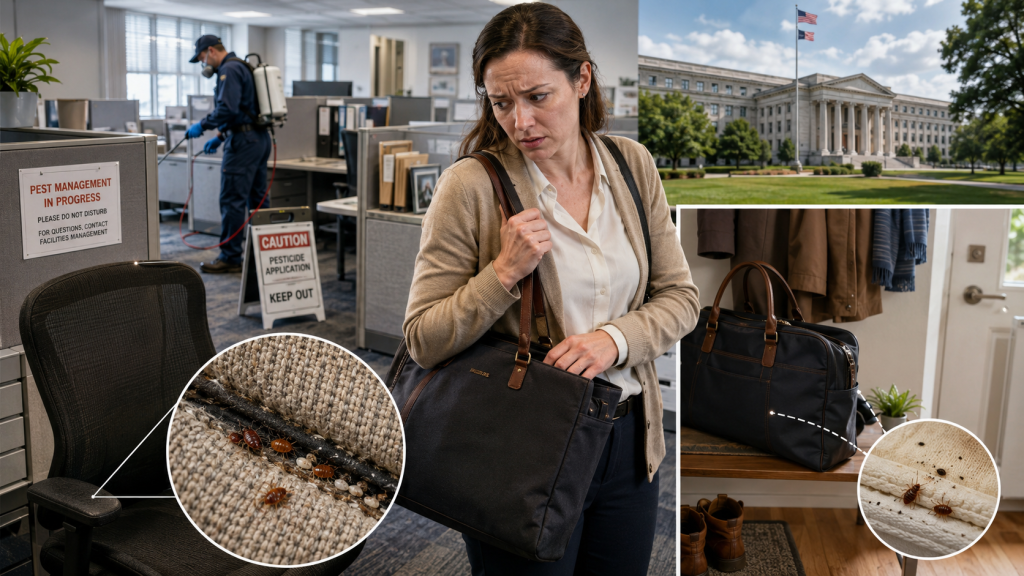
Bed bugs are effective hitchhikers that can travel in luggage, clothing, bedding, furniture, and other belongings. That makes determining where an infestation originated more complicated than simply blaming the most recent guest.
Why Would a Hotel or Airbnb Blame the Guest?
Hotels and short-term rental hosts have an obvious reason to dispute responsibility when a guest reports bed bugs. A confirmed infestation can involve extermination costs, unavailable rooms, refunds, negative reviews, and potentially an injury claim.
There is also genuine uncertainty in some cases. Bed bugs can travel unnoticed, and bite reactions may not appear until one or several days after someone has been bitten.
A property may argue that you arrived with bed bugs in your suitcase, encountered them somewhere else during the trip, or developed bites from another source. Those are arguments, not proof.
The real question is what the evidence shows about the condition of the property before and during your stay. That is why documentation becomes especially important once responsibility is disputed.
What Should You Do When the Property Blames You?
Do not spend your time arguing with the front desk or host about where the bed bugs came from. Instead, start preserving evidence before the room is cleaned, treated, or occupied by someone else.
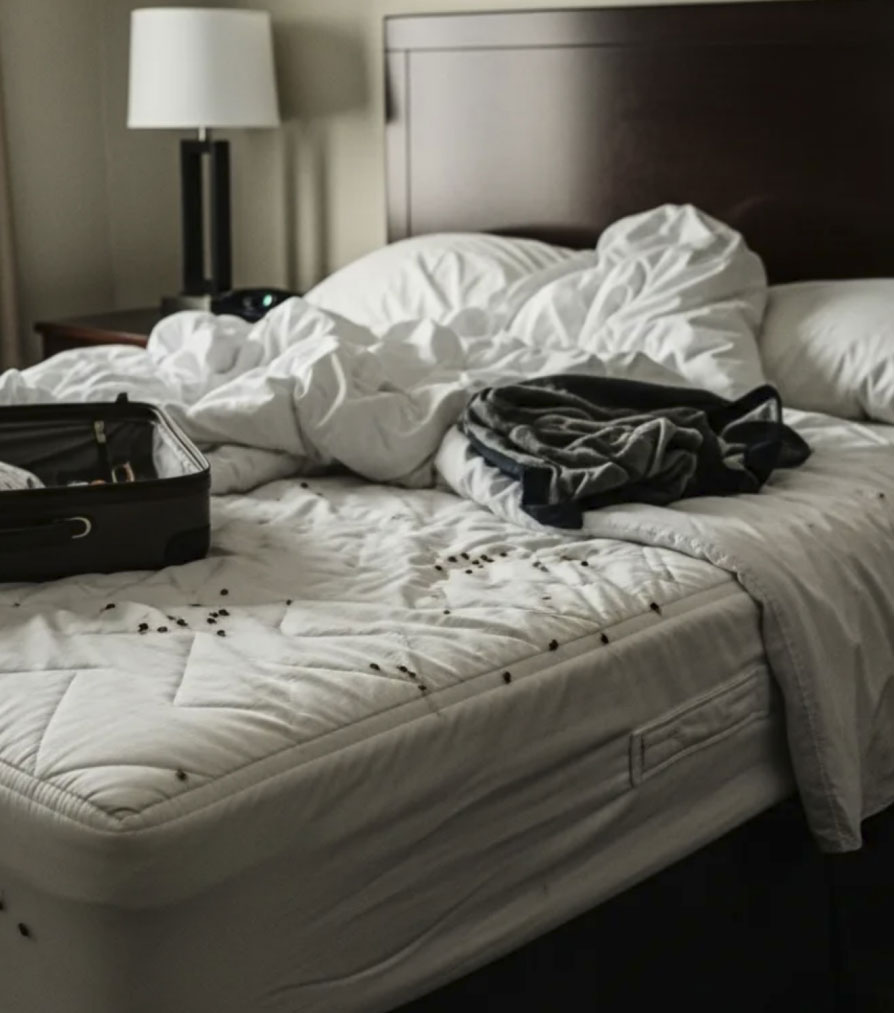
Take photographs and video of the mattress seams, box spring, headboard, bedding, furniture, luggage rack, baseboards, visible insects, stains, eggs, or skin shedding. Include wider shots that establish which room or property you are documenting.
You should also:
- Photograph your bites as they appear and continue documenting them over the following days.
- Report the infestation in writing through email, text, the booking platform, or an incident report.
- Save your hotel or Airbnb reservation and payment records.
- Preserve every message exchanged with management or the host.
- Write down the names of employees or witnesses you spoke with.
- Keep receipts for medical treatment, replacement lodging, laundry, extermination, and other related expenses.
- Seek medical attention when your symptoms require it.
The EPA recommends inspecting hotel mattresses, headboards, and luggage racks and keeping luggage away from the bed because bed bugs can hitchhike between locations.
Once the physical evidence disappears, proving what the room looked like can become much harder. The goal is to create a reliable timeline while the information is still available.
Do Not Admit That You Brought the Bed Bugs
A manager or host may ask where you stayed previously, whether you own used furniture, or whether you recently traveled. Answering factual questions is different from agreeing that the infestation was your fault.
If you do not know where the bed bugs came from, say that. Avoid statements such as, “Maybe they were in my suitcase,” or, “I guess we could have brought them.”
Those comments can later be taken out of context and presented as an admission. Stick to what you actually observed and can document.
The same applies to social media. Avoid publicly guessing about how the infestation started while a claim is being investigated.
What Evidence Could Show the Infestation Was Already There?
A bed bug infestation is rarely proven through one piece of evidence. Stronger cases usually involve several facts that reinforce one another.
Prior guest reviews may reveal earlier complaints. Pest-control invoices or treatment records may show that the same room or property had been treated before your stay.
Other evidence could include housekeeping records, maintenance requests, inspection reports, photographs, internal communications, prior room closures, employee statements, or complaints from other guests.
The location of the insects can matter as well. Bed bugs hidden inside mattress seams, upholstered headboards, furniture joints, and other established hiding areas may warrant investigation into how long the infestation had been present.
No individual clue automatically proves negligence. Together, however, they may tell a much different story than simply claiming the newest guest caused the problem.
What If the Airbnb Host Blames You?
Airbnb disputes often create a written record because much of the communication occurs through the platform. Keep those conversations instead of moving the discussion entirely to telephone calls.
Photograph what you find before leaving and tell the host exactly where it was located. If the host says the property was previously treated, recently inspected, or had another bed bug complaint, preserve that message.
The property owner, host, management company, cleaning company, or another party may have responsibilities depending on the circumstances. Identifying who controlled inspection, maintenance, and treatment is part of determining whether a viable claim exists.
Being accused by the host does not resolve those questions. The documentation surrounding the stay is what allows them to be investigated.
What If the Hotel or Host Tries to Charge You?
Some guests face a second problem after reporting an infestation; the property tries to charge them for extermination, cleaning, or damaged furnishings. Receiving a bill does not establish that you caused the infestation.
Ask the property to explain the charge in writing. You can also ask what inspection was conducted, who conducted it, and what evidence supposedly establishes that the bed bugs arrived with you.
Preserve any credit-card charges, invoices, emails, inspection reports, and booking-platform communications. Do not sign a statement admitting responsibility simply because the property demands payment.
A disputed charge and a potential injury claim can raise different issues. Good records make both easier to evaluate.
Can You Still Have a Personal Injury Claim If the Property Blames You?
Potentially. A hotel, Airbnb host, or property manager saying that you introduced the bed bugs does not determine legal liability.
A bed bug injury case may examine where the exposure occurred, whether the property knew or should have known about the infestation, whether it responded reasonably, and what injuries resulted. Medical records, photographs, prior complaints, pest-control documentation, and the exposure timeline can all become important.
Bed bug bites can cause itching and sleep loss, and excessive scratching can lead to secondary skin infection. Some people also experience allergic reactions, insomnia, anxiety, and other effects.
Not every infestation creates a viable injury claim. When there are documented injuries and evidence suggesting the property failed to address a known or discoverable problem, further investigation may be warranted.
How Long Do You Have to Take Action?
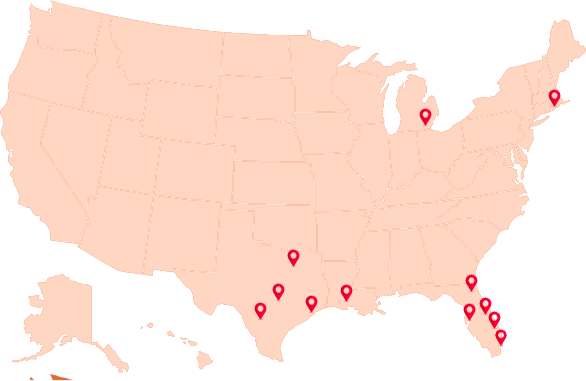
Personal injury deadlines vary by state, and the general statute of limitations may not be the deadline that applies to every bed bug claim:
- Florida generally provides two years for negligence actions
- Texas generally provides two years for personal injury actions
- Massachusetts generally provides three years for tort claims
- Michigan generally provides three years for injury claims
- Louisiana currently provides a two-year period for delictual actions
Those general periods can be affected by the type of defendant, when the claim accrued, the victim’s age, contractual provisions, cruise-ticket terms, concealment, or other circumstances. Evidence can also disappear long before the filing deadline expires.
That makes early investigation valuable even when a lawsuit does not need to be filed immediately. Determining the deadline based on the specific facts is safer than assuming a general state period controls.
FAQs
What if I did not see the bed bugs until after sleeping in the room?
That does not necessarily prevent a claim. Bed bugs commonly hide during the day, and bite reactions may not appear immediately.
Document anything you discover and create a timeline showing when you checked in, slept in the room, noticed symptoms, and reported the infestation. That timeline may become important if the location of exposure is disputed.
What if the hotel refunded my room?
A refund addresses the price of the room but may not address medical expenses, damaged belongings, lost wages, scarring, or other injury-related losses. Be careful about signing any release in exchange for a refund or payment.
The significance of a refund depends on what you agreed to when accepting it. Keep copies of all paperwork and correspondence.
Can previous online reviews help?
Previous complaints can sometimes provide investigative leads showing that other guests reported similar problems before your stay. Screenshots should show the review, date, property, and any response from management.
Reviews alone do not automatically prove liability. They may, however, help identify evidence relevant to whether management previously knew about a potential infestation.
Contact The Bed Bug Barrister If You Are Being Blamed
A property saying you brought the bed bugs does not make that version of events true. Determining what happened requires evidence, and much of that evidence may disappear quickly after you leave.
The Bed Bug Barrister focuses on bed bug injury matters involving Airbnb and short-term rentals, hotels, resorts, cruise ships, nursing homes, workplaces, and other properties. If bed bugs caused injuries during your stay and the property is now pointing the finger at you, call (844) 404-1600 for a free case evaluation.