
 CALL US NOW
 EMAIL US NOW
Nursing Home & Assisted Living Bed Bug Injury Attorneys Helping Victims Throughout The Country
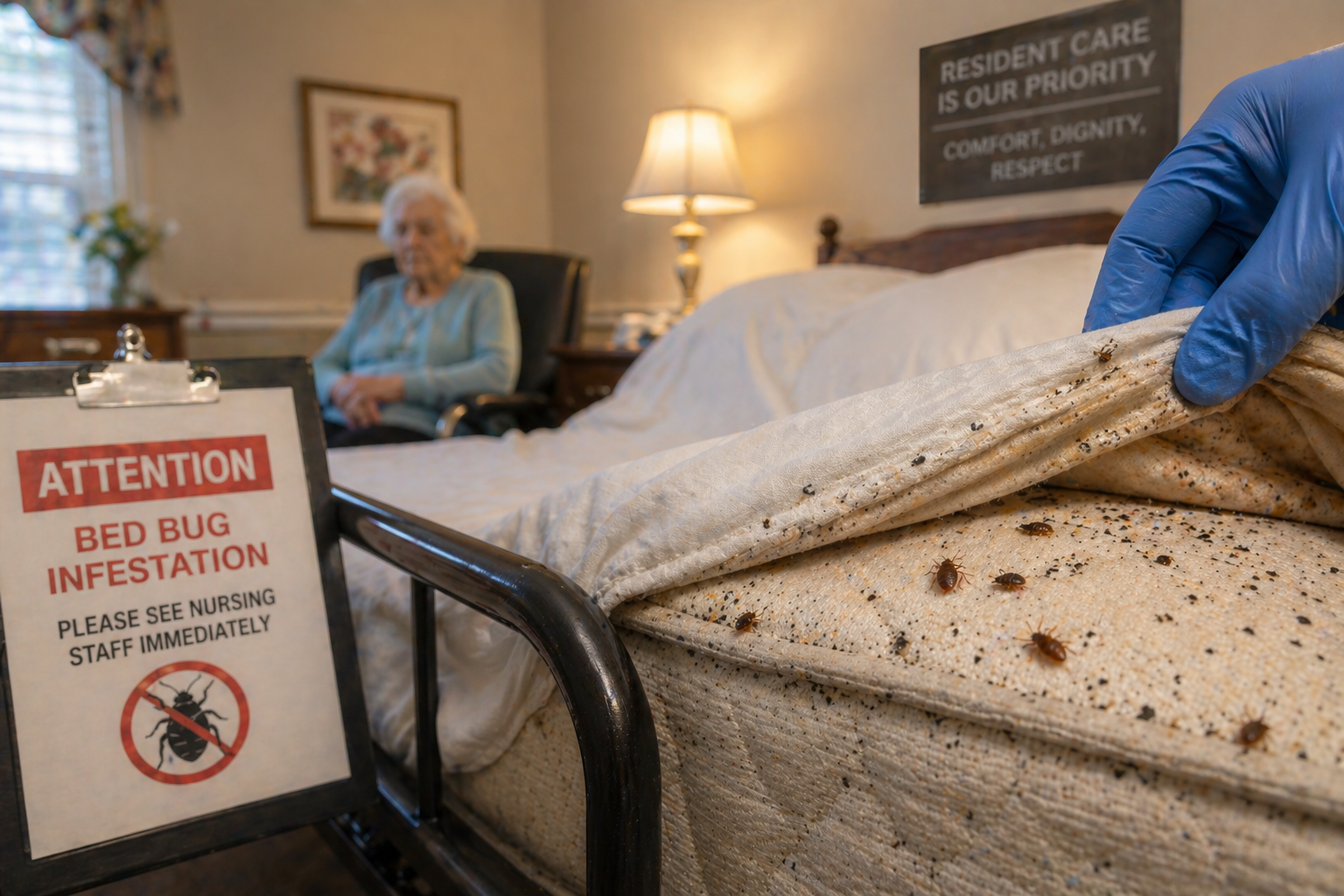
Nursing homes and assisted living facilities are expected to provide safe, clean, and closely monitored environments for some of the most vulnerable individuals. When these facilities fail to prevent or properly address bed bug infestations, residents can suffer repeated bites, infections, and serious emotional distress.
The Bed Bug Barrister helps families and residents understand when a bed bug situation may involve negligence. You deserve answers, accountability, and a legal team that takes these cases seriously; especially when the health and dignity of a loved one are at stake.
Our Legal Expertise That Informs Our Approach
Bed bug cases involving nursing homes and assisted living facilities are often more serious than other types of claims. These cases may involve heightened duties of care, medical complications, and situations where residents cannot advocate for themselves.
The Bed Bug Barrister is powered by RTRLAW, a firm founded in 1988 that has assisted clients in their recoveries by providing insight on injury and negligence issues affecting vulnerable populations nationwide.
What You Should Do After Bed Bug Exposure in a Nursing Home or Assisted Living Facility
Taking immediate action after discovering bed bugs in a care facility is critical. In these environments, early reporting and documentation can help prevent further harm to residents and preserve important evidence.
Key steps include:
- Seek medical evaluation for bites, infections, or allergic reactions
- Photograph bites and affected areas over time
- Photograph the bugs, bedding, furniture, and living conditions
- Report the issue in writing to facility staff or administration
- Keep records of complaints, care notes, and responses
- Speak with a legal professional before accepting explanations or assurances
These steps help establish whether the facility was aware of the problem and how it responded. Proper documentation is essential when evaluating whether negligence occurred.
How the Law Handles Nursing Home Bed Bug Cases
Nursing homes and assisted living facilities are typically held to a higher standard of care than many other property types. They are responsible not only for maintaining safe conditions but also for protecting residents who may be unable to protect themselves.
Bed bug claims in these settings are often evaluated under negligence, premises liability, and elder care standards. Liability depends on whether the facility failed to take reasonable steps to prevent or address infestations, particularly when residents and loved ones were repeatedly exposed.
Facility Responsibilities and Duty of Care
Care facilities are expected to monitor living conditions, respond to complaints promptly, and take proactive steps to prevent infestations. This includes regular inspections, proper sanitation, and timely professional extermination when issues arise.
Liability may arise when a facility ignores warning signs, delays treatment, or allows residents to remain in infested conditions. In many cases, the issue is not just the presence of bed bugs; it is the failure to act despite known risks.
Medical Oversight and Resident Vulnerability
Residents in nursing homes and assisted living facilities often have underlying health conditions that make bed bug exposure more dangerous. Bites can lead to infections, delayed healing, and complications that require medical intervention.
Facilities may be held accountable when they fail to recognize or respond to these risks appropriately. The vulnerability of residents is a critical factor in determining whether the facility’s response met the required standard of care.
Statute of Limitations
Bed bug injury claims are subject to legal deadlines that vary by state. Missing these deadlines can prevent recovery, even when the harm is well documented.
Some of the specific state’s statute of limitations include:
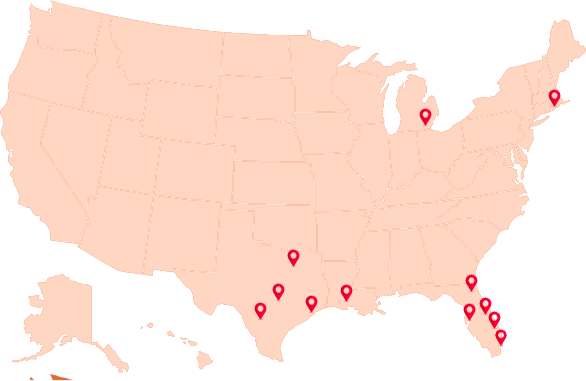
- Florida: Usually a 2-year statute of limitations with a prior written notice requirement.
- Texas: Most cases must be filed within 2 years.
- Massachusetts: Allows approximately 3 years in many situations with a prior written notice requirement.
- Michigan: Typically provides a 3-year filing period.
- Louisiana: Most cases must be filed within 2 years.
Because families may not immediately recognize the cause of injuries or may rely on facility explanations, it is important to act very quickly. Early legal evaluation helps preserve evidence and protect your rights.
Health Department & Regulatory Oversight
Nursing homes and assisted living facilities are often subject to inspections by health departments and regulatory agencies. Reports, citations, and inspection findings can provide strong evidence of unsafe conditions or repeated violations.
Even when no formal citation is issued, documented complaints and internal records can help establish notice. These records often play a critical role in determining whether a claim can move forward.
Unique Legal Challenges in Nursing Home Bed Bug Cases
One of the biggest challenges in these cases is that residents may not be able to report symptoms clearly or advocate for themselves. This can delay discovery and allow infestations to worsen.
Another challenge is that facilities may attempt to minimize or misattribute injuries to other conditions. These factors make careful documentation and medical evaluation especially important in building a strong case.
How We Help Nursing Home Bed Bug Victims
Bed bug cases in care facilities require a careful, compassionate, and evidence-driven approach. Our role is to identify failures in care and hold the appropriate parties accountable.
We help by:
- Reviewing medical records and care documentation
- Investigating complaint history and facility response
- Collecting photographic and environmental evidence
- Identifying responsible parties, including facility operators
- Negotiating settlements or pursuing litigation when necessary
Our goal is to protect the rights and dignity of residents while pursuing accountability where it is supported by evidence.
Types of Compensation Available
Bed bug exposure in a care facility can result in serious physical and emotional harm. Compensation depends on the severity of injuries and the strength of the claim.
Compensation may include:
- Medical expenses and ongoing care
- Pain and suffering
- Infection-related complications
- Scarring or long-term skin damage
- Emotional distress and loss of quality of life
- Out-of-pocket expenses related to the infestation
A thorough evaluation helps determine what compensation may be available.
Common Injuries From Bed Bug Exposure
Bed bug exposure can have more severe consequences in nursing home and assisted living environments. These injuries often worsen over time without proper care.
Common injuries include:
- Severe allergic reactions
- Secondary infections
- Skin breakdown and delayed healing
- Anxiety, agitation, and sleep disruption
These injuries can significantly affect a resident’s health and well-being.
Why Choose The Bed Bug Barrister
Cases involving vulnerable populations require a thoughtful and experienced approach. This is not a typical personal injury claim; it is a matter of safety, dignity, and proper care.
Clients choose The Bed Bug Barrister because we offer:
- A bed bug–only legal focus
- National experience powered by RTRLAW
- Clear communication and realistic expectations
- No upfront costs or out-of-pocket fees
- A commitment to holding facilities accountable when standards are not met
You get a focused legal strategy backed by decades of experience.
What to Expect After Contacting Us
Reaching out for help should feel simple and supportive. Our intake process is designed to evaluate your situation and provide clear guidance.
After contacting us, you can expect:
- A free, confidential consultation
- Review of medical and facility records
- Evaluation of liability and claim strength
- Guidance on next steps
- Support through settlement or litigation if appropriate
You will have clarity and direction from the beginning.
FAQs
Can a nursing home be held liable for bed bugs?
Yes, if the facility failed to prevent or properly address an infestation and residents were harmed as a result.
Are these cases more serious than hotel cases?
They can be due to the vulnerability of residents and the higher standard of care required.
What evidence is needed?
Medical records, photos, complaint documentation, and facility records are key.
Do I need a lawyer for this type of case?
These cases are complex and often benefit from legal guidance to determine viability.
Contact Us For A Free Case Evaluation Today!
You don’t have to face a nursing home bed bug situation alone. If a loved one was harmed due to a facility’s failure to act, The Bed Bug Barrister is here to help.
Contact us today by calling (844) 404-1600 for a free consultation and take the first step toward accountability and protection.