
 CALL US NOW
 EMAIL US NOW
Yes. Bed bugs are a significant and growing problem throughout the United States, with infestations reported in all 50 states. Major cities, tourist destinations, hotels, cruise ships, nursing homes, and transportation hubs continue to experience rising bed bug activity driven by travel, dense housing, and increased resistance to pesticides.
While some infestations remain minor, others result in serious financial losses, emotional distress, medical complications, and legal disputes. Certain states consistently report higher activity due to tourism, population density, and multi-unit housing patterns.
Key Takeaways
- Bed bugs have been reported in all 50 states
- Travel and tourism are major contributors to spread
- Florida, Texas, Ohio, California, and Pennsylvania consistently rank among high-activity states
- Hotels, dorms, cruise ships, and nursing homes remain common exposure locations
- Bed bug litigation and injury claims have increased alongside infestation reports
- Bed bugs are difficult to eliminate and frequently return without proper treatment
Understanding The Bed Bug Problem In America
Bed bugs were once considered a declining pest in the United States, but infestations have resurged dramatically over the last two decades. Experts now consider them one of the country’s most persistent urban pest problems.
The Environmental Protection Agency (EPA), CDC, and USDA all recognize bed bugs as a public health pest because of their impact on physical health, mental health, and living conditions.
Unlike pests associated with sanitation problems, bed bugs can appear almost anywhere:
- Luxury hotels
- Cruise ships
- College dorms
- Office buildings
- Hospitals and nursing homes
- Airports and public transit
- Single-family homes
This widespread exposure is one reason bed bug-related claims and complaints continue increasing nationwide.
Why Bed Bugs Continue To Spread Across The Country
Modern travel is one of the biggest reasons bed bugs spread so effectively. Bed bugs hitchhike on luggage, clothing, furniture, backpacks, and personal belongings.
Several factors contribute to the continued rise of infestations:
- High domestic and international travel volume
- Dense urban housing
- Shared laundry and common areas
- Resistance to certain pesticides
- Delayed reporting and inadequate treatment
- Increased short-term rental activity
Large cities and tourist-heavy states tend to experience particularly high infestation rates.
Reported Bed Bug Activity By State
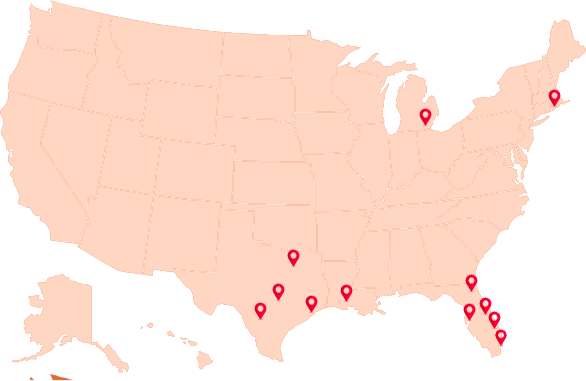
The following chart compiles publicly discussed infestation trends, pest control treatment activity, urban infestation rankings, and reported bed bug presence throughout the United States based on industry reporting, treatment data, and national infestation studies.
| State | Reported Bed Bug Activity Level | Common Exposure Environments |
| Alabama | Moderate | Apartments, hotels |
| Alaska | Low | Travel-related locations |
| Arizona | Moderate | Resorts, apartments |
| Arkansas | Moderate | Hotels, rentals |
| California | Very High | Hotels, apartments, transit |
| Colorado | Moderate | Apartments, tourism |
| Connecticut | High | Dense housing, hotels |
| Delaware | Moderate | Apartments |
| Florida | Very High | Resorts, hotels, rentals, cruise travel |
| Georgia | High | Apartments, hotels |
| Hawaii | Moderate | Resorts, tourism |
| Idaho | Moderate | Apartments |
| Illinois | Very High | Chicago metro area |
| Indiana | High | Apartments, hotels |
| Iowa | Moderate | Multi-unit housing |
| Kansas | Moderate | Hotels |
| Kentucky | Moderate | Apartments |
| Louisiana | High | Tourism, hotels |
| Maine | Low | Travel-related exposure |
| Maryland | High | Dense urban housing |
| Massachusetts | High | Apartments, student housing |
| Michigan | Very High | Detroit, apartments, hotels |
| Minnesota | Moderate | Apartments |
| Mississippi | Moderate | Hotels |
| Missouri | High | Dense housing |
| Montana | Low | Isolated reports |
| Nebraska | Moderate | Apartments |
| Nevada | High | Las Vegas tourism |
| New Hampshire | Moderate | Hotels |
| New Jersey | Very High | Dense housing, travel |
| New Mexico | Moderate | Hotels |
| New York | Very High | Apartments, transit, hotels |
| North Carolina | High | Hotels, apartments |
| North Dakota | Low | Isolated urban activity |
| Ohio | Very High | Cleveland, Cincinnati, Columbus |
| Oklahoma | High | Urban housing |
| Oregon | Moderate | Apartments |
| Pennsylvania | Very High | Philadelphia, hotels |
| Rhode Island | Moderate | Dense housing |
| South Carolina | High | Resorts, tourism |
| South Dakota | Low | Limited reporting |
| Tennessee | High | Hotels, apartments |
| Texas | Very High | Hotels, apartments, tourism |
| Utah | Moderate | Apartments |
| Vermont | Low | Limited reports |
| Virginia | High | Dense housing |
| Washington | Moderate | Apartments |
| West Virginia | Moderate | Residential spread |
| Wisconsin | Moderate | Apartments |
| Wyoming | Low | Sparse reporting |
The Worst Regions For Bed Bug Activity
Certain regions consistently appear in national infestation rankings. Pest control industry reports regularly identify states with major urban centers and tourism traffic as the highest-risk areas.
States frequently associated with high activity include:States frequently associated with high activity include:
- Florida
- Texas
- Ohio
- California
- Pennsylvania
- New York
- Illinois
- Michigan
These states tend to combine several high-risk factors:
- Large hotel industries
- Major airports
- Dense apartment housing
- Frequent tourism
- Large populations
- Shared transportation systems
Example Scenarios Showing How Infestations Spread
Bed bug infestations often spread in ways people do not initially expect. The following examples demonstrate how quickly exposure can move between environments and why infestations continue increasing nationwide.
Tourist Brings Bed Bugs Home From A ResortA Resort
A traveler unknowingly transports bed bugs home in luggage after staying at an infested hotel.
- Result: Secondary home infestation develops weeks later.
Cruise Passenger Encounters Bed Bugs Mid-Voyage
Passengers discover bites during a multi-day cruise after staying in an infested cabin.
- Result: Exposure concerns spread among travelers and luggage.
These situations show why infestations are difficult to contain once introduced into shared environments.
Why Bed Bug Cases And Complaints Continue Increasing
As infestations rise, so do legal disputes and injury claims. Many people now pursue claims involving:
- Hotels and resorts
- Short-term rentals
- Cruise ships
- Nursing homes
- Student housing
- Workplace exposure
However, bed bug cases can still be difficult to win because proving notice, liability, and exposure location often requires substantial documentation.
The Bed Bug Barrister focuses specifically on bed bug-related claims and understands the challenges involved in proving accountability.
State Laws And Reporting Rules Continue To Evolve
Some states and cities have implemented stronger disclosure requirements and reporting obligations regarding bed bug infestations.
Examples include:
- Landlord disclosure requirements
- Multi-unit inspection obligations
- Health department reporting systems
- Hospitality sanitation requirements
As awareness grows, more jurisdictions continue strengthening bed bug-related regulations and inspection practices.
How The Bed Bug Barrister Can Help You
Not every bed bug exposure creates a viable legal claim. Successful cases often depend on documentation, medical evidence, timelines, and proof that someone failed to respond reasonably.
The Bed Bug Barrister is powered by RTRLAW, founded in 1988, and focuses specifically on bed bug-related injury and negligence matters nationwide. We help evaluate:
- Exposure documentation
- Medical records
- Property responsibility
- Notice issues
- Treatment history
- Liability concerns
Our goal is to provide realistic guidance while pursuing accountability where evidence supports it.
Bed bugs are no longer isolated problems affecting only a few cities or low-cost properties. They are now a nationwide issue impacting hotels, apartments, cruise ships, workplaces, and homes throughout the United States.
As infestations continue increasing, understanding prevention, documentation, and legal rights becomes more important than ever. If you suffered harm due to a bed bug infestation and want to understand your options, The Bed Bug Barrister is here to help.
Contact us today by calling (844) 404-1600 for a free case evaluation.