
 CALL US NOW
 EMAIL US NOW
Bed bug bites can be considered personal injuries when they cause physical or psychological harm, but being bitten does not automatically mean you have a successful personal injury claim.
A claim usually requires evidence connecting the exposure to a particular property and showing why a hotel, rental host, property manager, cruise operator, care facility, employer, or another responsible party may be legally accountable.
When most people hear “personal injury,” they picture a car accident, a fall, or another sudden life altering event. Bed bug exposure may look very different, but the bites and resulting health problems can still constitute physical injuries.
The harder question is whether another person or business can legally be held responsible. That depends on how the infestation occurred, what the responsible party knew, how it responded, and what injuries can be documented.
What Makes Bed Bug Bites a Personal Injury?
Personal injury claims generally involve harm caused by another party’s wrongful or negligent conduct. A bed bug bite can therefore be an injury without automatically creating a case against the property where the bite occurred.
A viable bed bug claim may require evidence that the property contained bed bugs, that someone responsible for the premises knew or reasonably should have known about the problem, and that reasonable measures were not taken. The claimant must also connect the exposure to documented injuries and losses.
That distinction is important. Finding one bed bug does not automatically establish negligence, just as being bitten does not automatically prove where the bite happened.
The evidence surrounding the infestation is what connects the injury to potential legal responsibility. Without that connection, even genuine injuries can be difficult to pursue.
What Injuries Can Bed Bugs Cause?
Bed bug bites affect people differently. Some people have little visible reaction, while others develop more significant medical issues such as: itching, swelling, allergic symptoms, infection, or lasting skin problems.
The CDC reports that bed bug bites can cause itching and loss of sleep and that scratching may lead to secondary skin infections. Allergic reactions are also possible, while insomnia and anxiety have been reported among other effects.
Potential injuries may include red or swollen bites, severe itching, infection, allergic reactions, scars, pigmentation changes, insomnia, anxiety, and other documented effects. Repeated exposure can make the experience particularly disruptive when a person continues sleeping in an infested room without knowing why new bites keep appearing.
These consequences are not measured simply by counting the bites. The medical severity, duration, treatment, and lasting effects matter when evaluating an injury claim.
Do You Need a Serious Injury to Have a Claim?
A person does not necessarily need hospitalization or a catastrophic injury before bed bug exposure can qualify as a personal injury. However, the extent of the harm is relevant when determining whether pursuing a case makes practical sense.
Someone who develops several temporary bites that disappear without medical care has a different damages picture from someone who develops an infection, permanent scarring, a severe allergic reaction, or significant psychological symptoms. Medical documentation often helps show that difference.
Lost wages, treatment expenses, contaminated belongings, extermination costs, and replacement lodging may also increase the financial impact of an infestation. Those losses should be preserved through receipts and other records.
Not every bed bug bite will justify litigation. A meaningful case usually involves both evidence of responsibility and documented harm.
Where Do Bed Bug Personal Injury Claims Commonly Arise?
Bed bug exposure can happen anywhere people sleep or spend extended periods of time. Cleanliness and the price of the accommodation do not guarantee that a property will be free of bed bugs.
The CDC specifically notes that bed bugs can be found in five-star hotels and resorts.
Claims may arise from a variety of places including:
- hotels and resorts,
- Airbnb and short-term rentals,
- cruise ships,
- nursing homes and assisted living facilities,
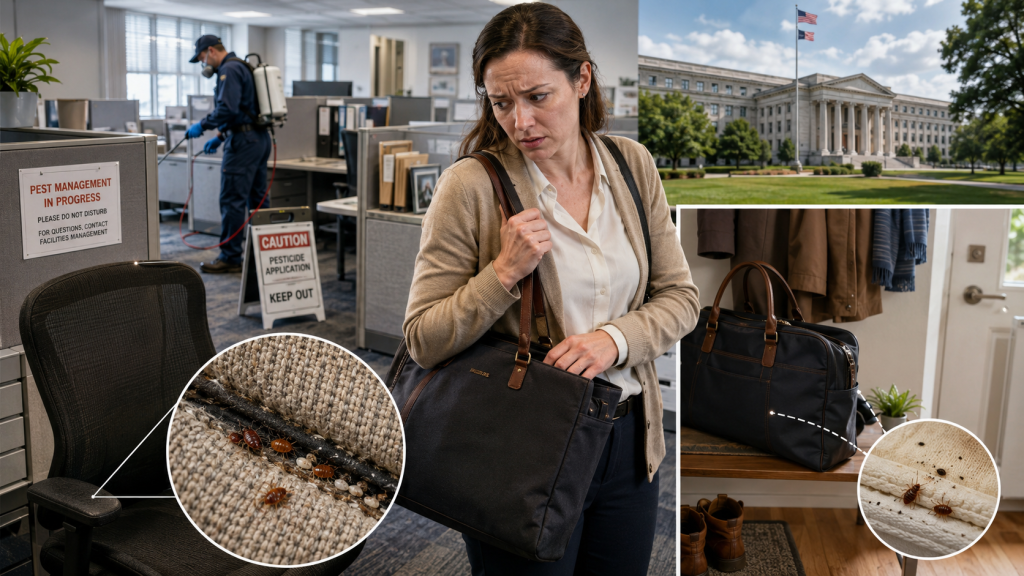
- workplaces,
- and other properties.
Each setting raises different questions about who controlled inspections, maintenance, pest treatment, and guest or resident safety.
A hotel case may focus on room inspections and earlier guest complaints. A short-term rental may involve the owner, host, or management company, while a workplace case may raise workers’ compensation or third-party liability issues.
The setting changes the legal analysis, but the basic question remains the same: who was responsible for the conditions that allowed the exposure to occur?
What Must You Prove in a Bed Bug Injury Case?
Bed bug cases can be difficult because several pieces have to fit together. Proving you had bites is only one of them; all three pieces include:
- First, you generally need evidence identifying where the exposure happened. Reservation records, room numbers, photographs, videos, witnesses, travel history, and the timing of symptoms can help establish the location.
- Second, the investigation may need to determine whether the property knew or should have known about the infestation. Prior complaints, online reviews, pest-control treatments, maintenance records, room closures, employee statements, and inspection records can become relevant.
- Third, there must be evidence of injury and damages. Medical records, prescriptions, bite photographs, receipts, lost-wage documentation, scarring, and other records help establish the consequences of the exposure.
A strong case connects all three. When one link is missing, the property or insurer has more room to dispute responsibility.
What Evidence Should You Save?
Evidence can disappear quickly after a complaint. Housekeeping can replace bedding, pest-control companies can treat the room, and the next guest may arrive shortly afterward.
Photograph and video visible bed bugs, mattress seams, headboards, furniture, stains, eggs, shedded skins, bites, and the room number whenever possible. Preserve your reservation confirmation, incident report, emails, text messages, app communications, medical records, receipts, and witness information.
The EPA recommends checking mattresses and headboards and inspecting luggage racks when traveling. It also recommends keeping luggage away from the bed because bed bugs can travel between locations in personal belongings.
Documentation gives an attorney something concrete to investigate after the room has changed. The sooner you collect it, the easier it becomes to reconstruct what happened.
What Compensation Can Be Available?
The compensation available depends on the injuries, evidence, legal claims, and law governing the case. There is no standard settlement amount for a bed bug injury.
Potential damages can include medical expenses, prescription costs, lost wages, pain and physical discomfort, scarring, emotional distress, sleep disruption, damaged belongings, professional extermination, laundry expenses, and replacement lodging. Future losses may also be considered when they are medically and legally supported.
A hotel refund is different from compensation for an injury. Returning the cost of a room does not necessarily address medical treatment, lost income, permanent scars, or the expense of eliminating bed bugs brought home after the stay.
This is why the value of a claim cannot be determined by counting bites. The overall effect on the individual matters much more.
Do Bed Bug Cases Have Filing Deadlines?
Yes. Bed bug personal injury lawsuits are subject to statutes of limitations, and the deadline depends on where the claim arose and what type of action is being pursued.
General negligence or injury periods include:
- Generally two years in Florida
- Generally two years in Texas
- Generally three years for tort actions in Massachusetts
- Generally three years for most personal injury actions in Michigan
- Generally two years for Louisiana delictual actions under current law
Those are general rules rather than deadlines for every individual case. Claims involving minors, cruise-ticket contracts, government entities, earlier injury dates, delayed discovery, or other circumstances may involve different calculations.
Waiting can also hurt a case even before the formal deadline expires. Records disappear, memories fade, rooms change, and witnesses become harder to locate.
FAQs
Can I sue a hotel just because I was bitten?
Not automatically. You generally need evidence connecting the bites to that property and evidence supporting legal responsibility for the infestation.
Prior complaints, pest-control records, photographs, inspection procedures, and the hotel’s response may help answer those questions. The fact that bed bugs were present is important, but it may not be the entire case.
Do I need medical records?
Medical records can be extremely valuable because they document your symptoms, treatment, and timing. They can also help distinguish a substantial injury from a temporary inconvenience.
If your symptoms warrant medical treatment, obtaining appropriate care should come first. Preserve copies of records, prescriptions, bills, and follow-up instructions.
Can emotional distress count?
Potentially, depending on the severity, supporting evidence, and applicable law. The CDC recognizes insomnia and anxiety among possible effects associated with bed bug exposure.
Documented treatment can strengthen claims involving significant psychological effects. General frustration alone may be evaluated differently from symptoms requiring professional treatment.
What if I never saw a live bed bug?
That does not automatically mean the room was free of them. Bed bugs hide well, and bites themselves are not always enough to determine the exact cause or exposure location.
Pest-control findings, photographs of other infestation signs, prior complaints, room records, and witness accounts may provide additional evidence. Cases should be evaluated based on the entire factual record.
Contact The Bed Bug Barrister About Your Injury
Bed bug bites can qualify as personal injuries, but the presence of bites alone does not determine whether someone else is legally responsible. A successful claim typically depends on connecting the infestation, the property’s conduct, and the resulting injuries through credible evidence.
The Bed Bug Barrister focuses on bed bug injury matters involving hotels, resorts, Airbnb and short-term rentals, cruise ships, nursing homes, workplaces, and other properties. If bed bug exposure caused injuries or financial losses, call (844) 404-1600 for a free case evaluation and learn what options may be available.